
"The Science Behind Why Cooking Makes Us Stressed: Unveiling the Culinary Conundrum"
Woodward Eats
Archives
"The Science Behind Why Cooking Makes Us Stressed: Unveiling the Culinary Conundrum"
SIGN UP FOR OUR NEWSLETTER
The Real Reason Cooking Feels So Stressful |
Why feeding yourself feels harder than it should. |
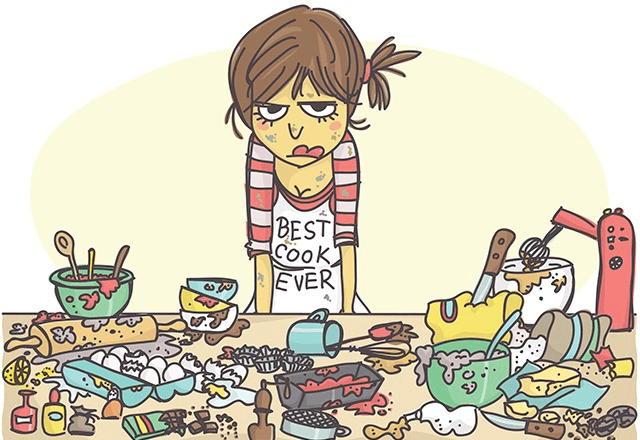 |
For something that’s supposed to be comforting, nourishing, and even joyful, cooking often feels anything but. Many people dread the daily question of “What’s for dinner?” more than they admit. It’s not just about chopping vegetables or following a recipe—it’s about pressure, expectations, and the mental load that comes with feeding ourselves and others. The stress you feel in the kitchen isn’t a personal failure. It’s largely a product of how modern life has reframed cooking.
Below, we’ll unpack the real reasons cooking feels so stressful today—and why the problem isn’t your lack of skill or motivation.
It’s Not Just Cooking—It’s Decision Fatigue
One of the biggest hidden stressors in cooking is the sheer number of decisions involved. Before you even turn on the stove, your brain is already working overtime:
By the end of a long day, your mental energy is already depleted. Cooking becomes the final, exhausting decision in a chain of hundreds. This is known as decision fatigue, and it explains why even simple meals can feel overwhelming.
Cooking isn’t stressful because it’s hard—it’s stressful because it demands clarity when your brain is already tired.
Modern Expectations Have Ruined “Simple” Meals
Social media and food culture have dramatically shifted how we perceive cooking. We’re constantly exposed to:
This creates an unspoken pressure: if you’re cooking, it should be impressive. Suddenly, a basic pasta or scrambled eggs feels inadequate. What used to be about nourishment is now tangled up with performance and comparison.
The stress comes from trying to meet unrealistic standards—not from cooking itself.
Cooking Carries Emotional Labor, Not Just Physical Work
Cooking is rarely just about feeding yourself. It often includes:
This emotional labor is invisible but heavy. When meals go unappreciated or criticized, the stress multiplies. Over time, cooking becomes emotionally charged, associated with obligation rather than care or creativity.
That emotional weight can make even thinking about cooking feel draining.
The Kitchen Has Become a Symbol of Productivity
In a culture obsessed with optimization, cooking is no longer allowed to be neutral. It must be:
If you order takeout, you feel guilty. If you cook something simple, you feel lazy. If you cook something complex, you feel exhausted. There’s no winning because cooking has been turned into another metric of productivity.
Stress arises when rest and nourishment are treated like achievements instead of necessities.
You’re Expected to Enjoy It—Even When You Don’t
One of the most frustrating aspects of cooking stress is the expectation that you should love it. Cooking is often framed as:
While that can be true for some people, it’s not universal. When cooking feels stressful instead of relaxing, people assume something is wrong with them. That disconnect creates guilt and resistance, making the experience even worse.
Not enjoying cooking doesn’t mean you’re doing it wrong—it means you’re human.
Why This Stress Feels So Personal (But Isn’t)
Cooking stress feels deeply personal because it happens every day and inside your home. But it’s largely systemic:
When all of that pressure lands on a single daily task, it’s no surprise that cooking feels overwhelming. The problem isn’t that you’re bad at cooking—it’s that cooking has been overloaded with expectations it was never meant to carry.
Reframing Cooking to Reduce Stress
While structural issues won’t disappear overnight, reframing cooking can help ease the pressure:
When cooking is allowed to be “good enough,” it often becomes lighter, simpler, and far less stressful.
Final Thoughts
Cooking feels stressful not because you’re failing—but because it’s carrying far more weight than it should. It’s burdened by decision fatigue, unrealistic expectations, emotional labor, and cultural pressure to perform.
The real relief doesn’t come from better recipes or more motivation. It comes from permission: permission to simplify, to opt out of perfection, and to see cooking for what it truly is—a basic human task, not a test of worth.
Once that pressure lifts, cooking may not become joyful overnight—but it can become manageable again. And sometimes, that’s more than enough. |