Woodward Eats
Archives
"The Science Behind Sudden Blah Food: Solutions for Bland Taste!"
SIGN UP FOR OUR NEWSLETTER
Why Does Food Taste Bland All of a Sudden? Science, Psychology & Solutions |
|

Matt West
Dec 27, 2025
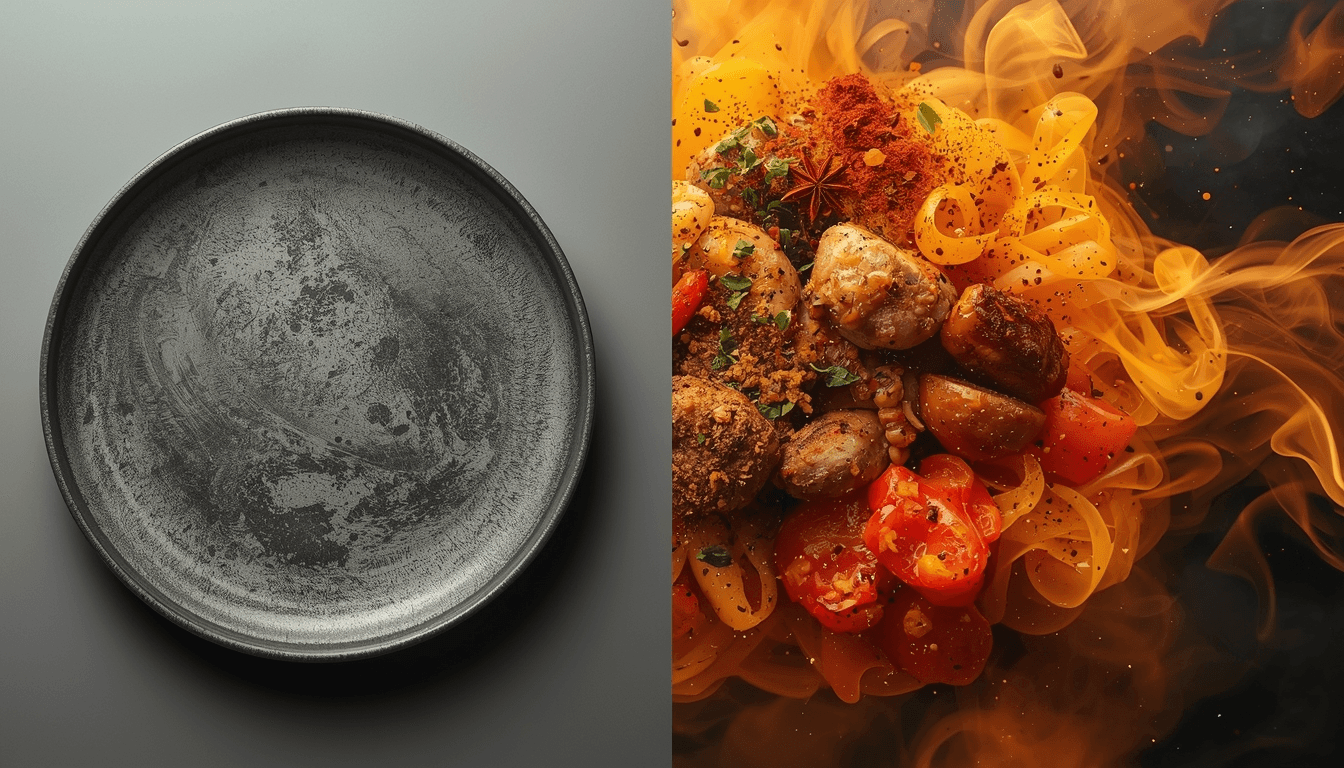 |
Why Does Food Taste Bland All of a Sudden?There’s a quiet kind of panic that creeps in the moment your favorite meal turns flavorless. You take a bite expecting delight—and instead, nothing. Not dull. Not gross. Just… empty. If you’ve suddenly found that food no longer sparks joy on your tongue, you’re not alone—and no, it’s not just in your head.
When Flavor Disappears Overnight
What We Really Mean by “Bland” Most people don’t mean the food is underseasoned when they say it tastes bland. They mean the experience is missing. The brightness of citrus? Gone. The kick of spice? Muted. Even comfort foods feel foreign. It’s a sensory short-circuit, and it leaves you feeling disconnected from something that once grounded you.
Sudden vs. Slow Decline When this change comes out of nowhere, it can be unsettling. Sudden loss often ties to illness, medication, or something physiological. A slow fade, on the other hand, might hint at emotional fatigue, nutritional imbalance, or even palate overstimulation. How fast it happened matters—it’s a clue.
The Hidden Reasons Behind Lost Taste
Your Body Might Be Healing from Something Even a mild cold or sinus infection can throw your sense of taste out of sync. Viruses like COVID-19 are notorious for temporarily hijacking the sensory systems responsible for flavor and smell. You might feel fine otherwise, but your nervous system could still be in recovery mode.
The Medication You’re Taking Could Be the Culprit A surprising number of medications quietly interfere with taste: antibiotics, antidepressants, antihistamines, and even some blood pressure meds. They can either dull your perception directly or interfere with the nerve signals that transmit flavor to your brain. If you’ve started anything new recently, bring it up with your doctor.
You Might Be Missing Crucial Nutrients Taste isn’t just chemistry—it’s biology. Nutrients like zinc, B12, and iron play vital roles in taste signal clarity and receptor health. A deficiency might not make you feel sick, but it can make everything taste like cardboard. A basic blood test could tell you more than you expect.
When Emotions Hijack Your Taste
The Emotional Side of Eating Flavor lives in the brain. If you're under pressure, grieving, or navigating a depressive spell, your brain often deprioritizes pleasure. Food becomes fuel, not joy. You might still feel hunger, but the spark is gone. It's a form of emotional numbness, not just a sensory one.
Burnout of the Palate If you’ve been eating out of habit—grabbing the same snacks, reheating the same meals—your taste system may simply be overstimulated. Just like you can get tired of a song on repeat, your brain can stop reacting to overused flavor patterns. It needs novelty to re-engage.
How to Get Your Taste Back
Retrain Your Tongue and Nose Start small. Introduce bright, clean flavors like lemon water, ginger tea, or freshly chopped herbs. Smell them before you taste. Scent is half the experience. Engage both senses slowly and intentionally—this process, known as “taste therapy,” works better than you'd think.
Clear the Noise from Your System Cut back on processed foods, alcohol, and anything overly salty or sweet for a few days. Instead, try simple whole foods—fresh veggies, gentle broths, clean proteins. Hydrate deeply. This gives your palate a chance to reset, like rebooting a computer that’s frozen.
When It’s Time to See a DoctorIf your sense of taste doesn’t improve in a few weeks—or worsens—it’s worth speaking to a professional. Especially if you notice smell issues, brain fog, or fatigue. These symptoms, when combined, can point to something that needs deeper investigation.
Questions Everyone’s Asking
Why does my food taste bland even though I’m not sick?
Can mental health really change the way things taste?
Will my sense of taste come back?
Products / Tools / Resources
|